The Science of Water Damage & Homeowner Safety
Understand the risks, categories, and scientific principles behind water damage and mould growth.
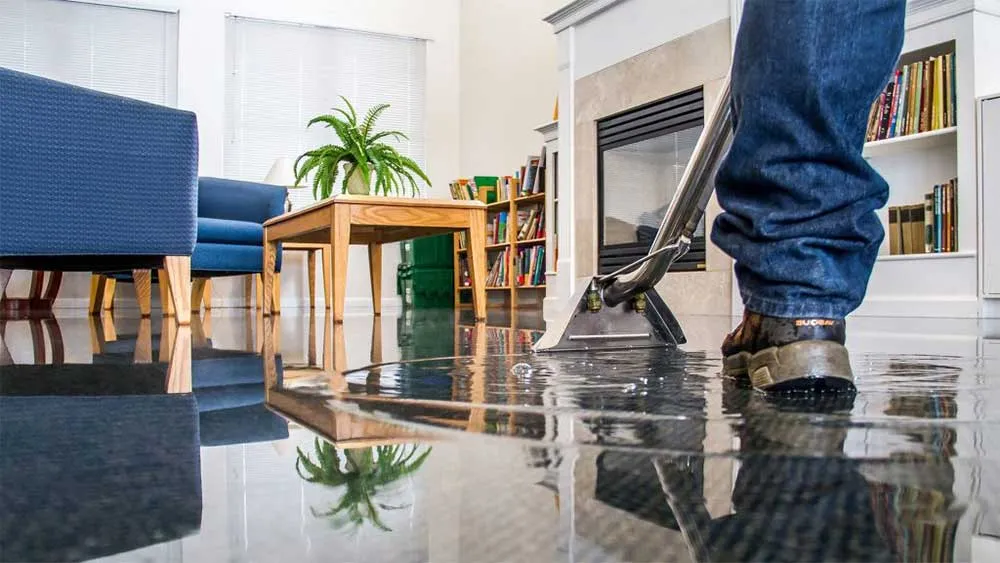
Mould Science Deep Dive
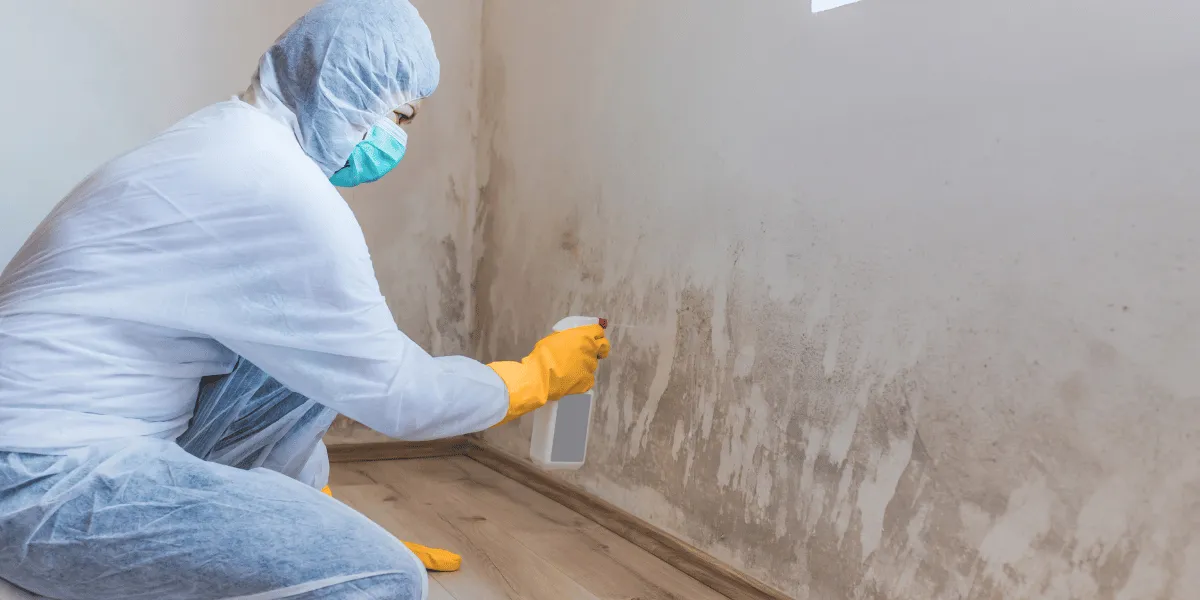
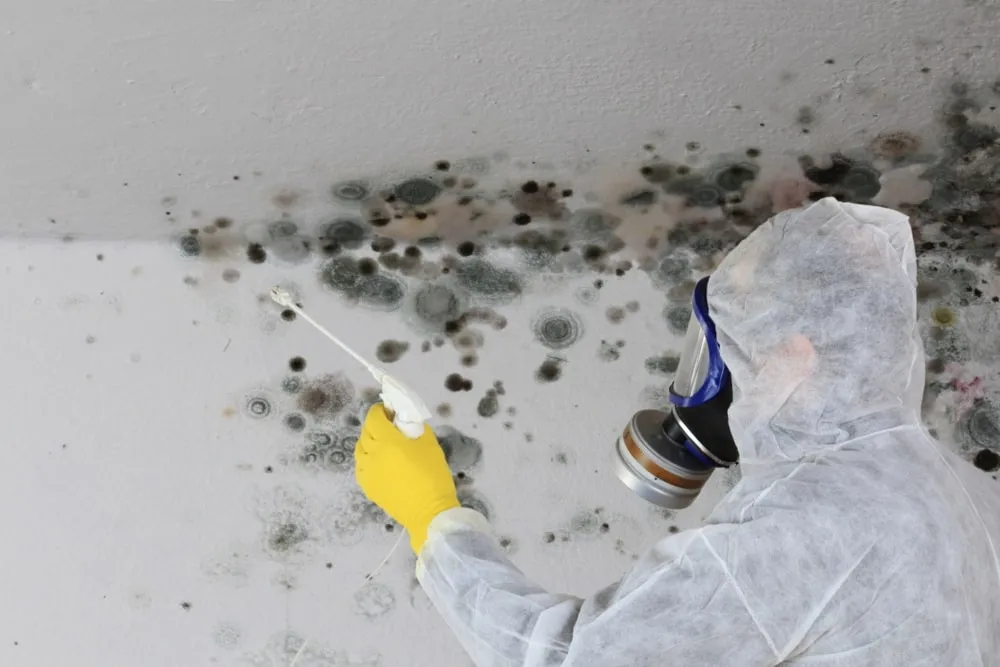
Mould spores are naturally present in the air, but require moisture to grow. Growth can begin within 48 hours of water exposure. Common indoor species include Aspergillus, Penicillium, and Stachybotrys (black mould).
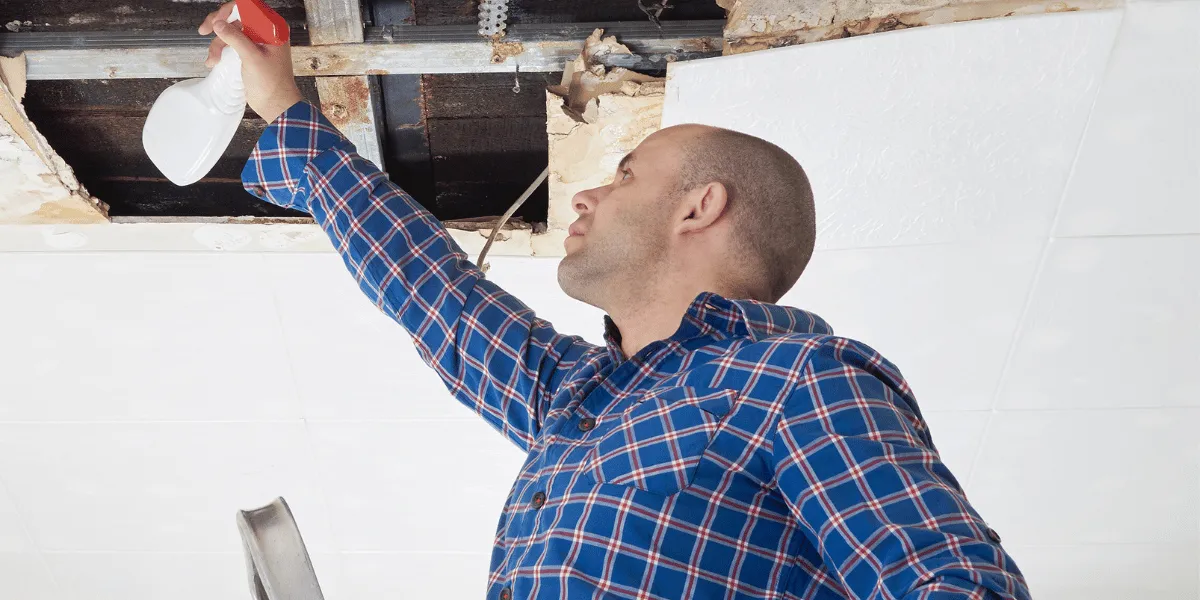
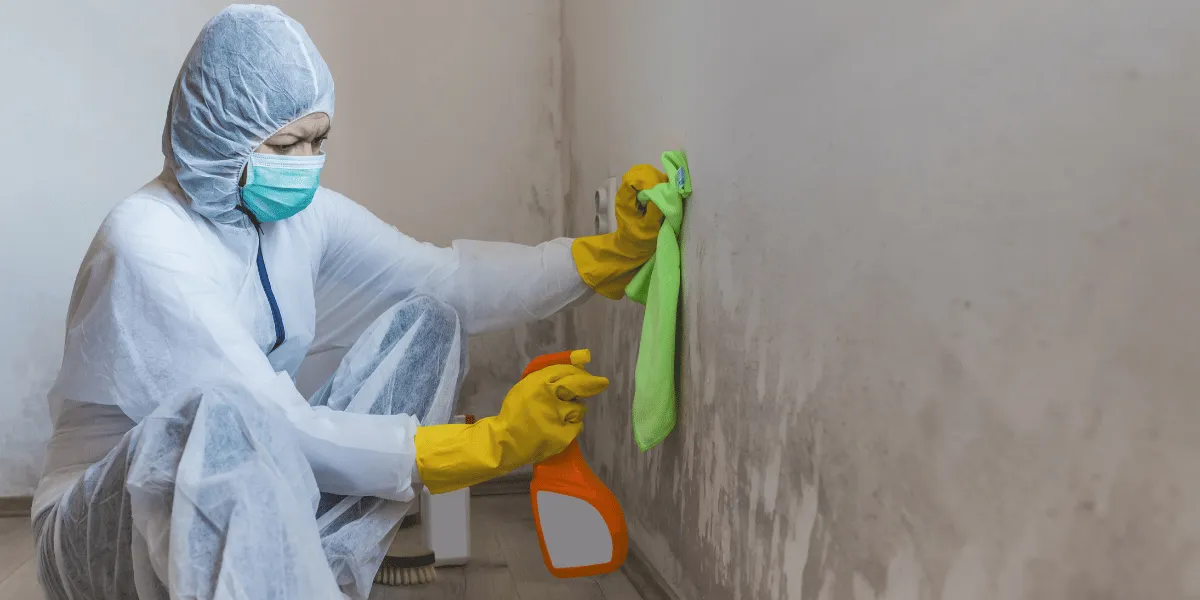
Chemical & Structural Hazards
Important Safety Notice
Older Canadian homes may contain asbestos or lead paint. Water damage can disturb these materials, creating airborne hazards. Consult a healthcare professional if you experience symptoms related to exposure.
Our Mission
"Empowering Canadian homeowners with the knowledge, tools, and resources to protect their homes from water damage, flooding, and sewer backup — because informed homeowners make safer decisions."
The Science of Water Damage & Homeowner Safety
Category 1 is 'Clean Water' originating from sanitary sources like broken supply lines. Category 2 is 'Grey Water' with chemical or biological contamination (dishwasher discharge, sump overflows). Category 3 is 'Black Water' carrying gross pathogens (sewage backups, river floods, standing water over 48 hours).
Category 3 black water is classified as an unsanitary biohazard. It harbors dangerous enteric viruses, parasitic protozoa (such as Giardia and Cryptosporidium), harmful bacteria (E. coli, Salmonella), and heavy metals that pose severe gastrointestinal and respiratory risks upon direct contact or inhalation.
Yes. Pathogens in floodwater can enter the body through microscopic skin abrasions, mucous membranes of the eyes and nose, or inhalation of aerosolized droplets created by walking through water or running standard fans across contaminated surfaces.
Common symptoms include nasal congestion, chronic sinus irritation, wheezing or coughing, itchy watery eyes, skin rashes, and recurring headaches. Individuals with preexisting asthma, allergies, or compromised immune systems frequently experience heightened sensitivities.
Mould spores require three elements to germinate: moisture (relative humidity above 60% or direct liquid), organic food sources (cellulose in drywall paper, wood, carpet backing), and warm temperatures (15°C to 30°C). When present, hyphal colonization begins in 24-48 hours.
No. Never touch Category 2 or 3 floodwaters with bare skin. Always don heavy-duty nitrile or neoprene gloves, waterproof rubber boots with puncture-resistant soles, and protective coveralls to prevent microbial absorption through cuts and pores.
For minor clean water, rubber gloves and boots suffice. For Category 2 or 3 water, homeowners and technicians require an N95 or half-face respirator with P100 particulate filters, unvented chemical splash goggles, heavy nitrile gloves, and disposable impermeable Tyvek suits.
Prolonged water absorption causes dimensional expansion, wood rot in load-bearing joists, weakening of steel nail fasteners through corrosion, and loss of shear strength in drywall. Water-saturated ceilings can absorb gallons of liquid and suddenly collapse under immense weight.
Submerged electrical outlets, wiring inside damp walls, and flooded breaker panels can energize standing water, creating lethal shock hazards. Furthermore, moisture inside electrical junctions causes electrolytic corrosion, creating long-term arcing fire hazards even after drying.
Cross-contamination occurs when airborne fungal spores, bacteria, or contaminated moisture droplets are transferred from an affected area into clean living spaces—often caused by tracking soiled boots or running household fans that blow bio-contaminants through air ducts.
Porous items (carpets, drywall, ceiling tiles) contaminated with sewage cannot be safely disinfected and must be disposed of. Non-porous surfaces (concrete, steel) must be washed with heavy-duty detergent, thoroughly rinsed, and treated with an approved broad-spectrum disinfectant maintaining required wet contact time.
High-Efficiency Particulate Air (HEPA) filters capture 99.97% of airborne particulates down to 0.3 microns in diameter, including fungal spores, bacteria, and fine dust. Commercial air scrubbers use certified HEPA filters to scrub indoor air during microbial remediation.
Prolonged exposure to heavy mycotoxin-producing moulds (such as Stachybotrys chartarum and Aspergillus versicolor) can induce chronic rhinosinusitis, exacerbate severe asthma, and in rare cases contribute to hypersensitivity pneumonitis in susceptible occupants.
Health Canada and the EPA advise against using bleach on porous materials like drywall or raw wood. Bleach consists of 90% water; while chlorine evaporates quickly on the surface, the water penetrates into the porous substrate, feeding underlying mould hyphae.
Homes constructed in Canada prior to 1990 frequently contain asbestos in drywall joint compound, vinyl floor tiles, and pipe insulation. If disturbed while wet or during tear-out, lethal microscopic fibers are released. Stop work immediately and engage certified hazardous material abatement pros.
Freezing temperatures cause water inside building components to expand by approximately 9% by volume, cracking foundation concrete, bursting copper pipes, and fracturing ceramic tiles. Furthermore, ice formation halts evaporation, temporarily trapping moisture until sudden thaw initiates accelerated decay.
Evaporating moisture elevates indoor relative humidity, creating an ideal breeding ground for dust mites, bacteria, and mould. Microbial Volatile Organic Compounds (mVOCs) released by active fungal colonies create the characteristic pungent, musty odour and degrade indoor air.
Watch for sponge-like deflection when walking on subfloors, persistent separation between baseboards and floorboards, hairline stair-step cracks along foundation mortar joints, and yellow-brown concentric staining rings on drywall ceilings.
Professional post-remediation air sampling and clearance testing by an independent third-party environmental consultant is strongly recommended following extensive Category 3 sewage backups or significant mould remediation to scientifically certify spore levels match outdoor baselines.
Evacuate immediately if raw sewage enters primary living spaces, if ceiling drywall shows visible sagging indicating imminent collapse, if natural gas odours are detected, or if electrical panels are in contact with water and cannot be safely isolated from outside.
Safety First
Electrical Hazards
Never enter a flooded area until power is turned off at the main breaker. Water and electricity are a deadly combination.
Structural Risks
Watch for sagging ceilings, buckling floors, and cracked foundation walls. Evacuate immediately if you suspect structural instability.
Proper PPE
Always wear rubber boots, waterproof gloves, eye protection, and an N95 respirator when dealing with contaminated water or mould.
When to Evacuate
Leave the premises if the water level is rising rapidly, sewage is involved, or you smell gas. Safety always outweighs property.
The Science of Home Care
Clean Water (Cat 1)
Originates from a sanitary source (e.g., broken pipe). Safe to clean if addressed immediately before bacteria growth occurs.
Grey Water (Cat 2)
Contains significant contamination (e.g., dishwasher overflow). Can cause sickness if ingested or exposed to skin.
Black Water (Cat 3)
Grossly contaminated (e.g., sewage backup, floodwaters). Requires immediate professional hazardous material handling.
DIY vs. Professional Mitigation
Not every water incident requires a professional crew, but knowing the line between a weekend project and a hazardous situation is critical.
Safe DIY Actions
- 1. Shut off the main water valve if the source is a burst pipe.
- 2. Mop up small clean water spills (under 10 sq ft).
- 3. Move dry furniture and valuables away from the affected area.
- 4. Set up household fans and dehumidifiers for minor surface moisture.
- 5. Document damage with photos for insurance purposes.
Stop & Call a Pro If:
- • The water source is contaminated (sewage, floodwater).
- • Water has been sitting for more than 24 hours.
- • Materials like drywall or carpet padding are saturated.
- • You spot visible mould growth or smell a strong musty odor.
- • Ceilings are sagging or structural damage is evident.
First 60-Minute Emergency Protocol
Critical step-by-step actions to take immediately when water enters your home.
Read GuideSpring Snowmelt Flood Preparedness
How Canadian homeowners can protect foundations against rapid freeze-thaw water runoff.
Read GuideNavigating Canadian Insurance Claims
Understanding overland flood endorsements, sewer backup policies, and claim documentation.
Read GuideWhen to Call a Restoration Pro
Clear red-line hazard criteria distinguishing manageable DIY cleanups from dangerous biohazards.
Read GuideBeware Electrical Shock
Submerged wall outlets and extension cords can energize standing basement water with lethal voltage.
Treat Sewage as Biohazard
Category 3 black water carries harmful enteric bacteria, viral pathogens, and toxic endotoxins.
Prevent Cross-Contamination
Never run standard household fans across sewage or visible mould; this disperses airborne spores into air ducts.
Wear Certified Respirators
Don N95 or P100 half-face respirators and chemical splash goggles when handling contaminated water.
Inspect Sagging Ceilings
Water-saturated drywall can suddenly collapse under heavy weight; evacuate rooms beneath bulging ceiling areas.
Free Downloadable Resources
Keep these checklists and guides handy. Download them to your device or print them out so you're prepared for any situation.
Emergency Water Damage Response Checklist
Immediate 60-minute safety and mitigation triage protocol for Canadian homeowners.
PDF • 145 KBSeasonal Home Maintenance Calendar — Canada
Four-season inspection schedule to safeguard plumbing, roofs, and foundations from moisture.
PDF • 220 KBInsurance Claim Documentation Template
Comprehensive inventory spreadsheet and photo log format tailored for Canadian insurance adjusters.
PDF • 180 KBMould Prevention Timeline & Checklist
Hour-by-hour environmental controls to inhibit fungal spore propagation in damp structures.
PDF • 130 KBEducational Hub
Access our full library of Canadian homeowner resources and step-by-step guides.
Explore All GuidesThe 4-Step Recovery Process
Assess the Situation
Ensure the area is safe. Turn off electricity and identify the water source if possible.
Document & Protect
Take photos for insurance. Move dry valuables to a safe location.
Mitigate & Dry
Extract standing water and begin the drying process using air movers and dehumidifiers.
Restore & Prevent
Repair damaged materials and implement solutions to prevent future water intrusion.
When to Call a Professional
Understanding the limits of DIY mitigation can save you thousands in secondary damage and mould remediation.
You can handle this yourself if:
- The water is clean (e.g., overflowing sink with fresh water).
- The affected area is small (less than a 10x10 room).
- Water has been present for less than 24 hours.
- You have the ability to physically remove the water and dry the area quickly.
- No structural materials like drywall or insulation are soaked.
Call a professional immediately if:
- The water is contaminated (sewage, floodwaters, or grey water).
- The affected area is extensive or spans multiple floors.
- Water has been sitting for more than 24 hours.
- Materials like drywall, insulation, or subflooring are saturated.
- You smell musty odors or see visible mould growth.
- Structural integrity is compromised (sagging ceilings, etc.).
Why Trust Our Information?
We adhere to the highest industry standards for water damage mitigation and mold remediation to provide you with accurate, actionable advice.
Industry Standards
Our guides are based on IICRC (Institute of Inspection, Cleaning and Restoration Certification) S500 and S520 standards.
Government Guidelines
We reference guidelines from CMHC, Environment Canada, and Health Canada for relevant local context.
Editorial Rigor
Every article undergoes a Research → Expert Review → Fact-Check process before publication.
Marketplace Transparency
We connect you to verified professionals but do not perform restoration work ourselves, ensuring unbiased advice.
Serving Homeowners Across Canada
Our network of verified professionals is ready to respond to water emergencies in key regions across the country.
Check Your Postal CodeNeed Immediate Assistance?
Our network includes providers offering 24/7 emergency response across Canada. Get a fair quote.