Our Mission: Empowering Canadian Homeowners
We provide education, resources, and trusted connections to help you navigate water damage with confidence.
Our Story & Values
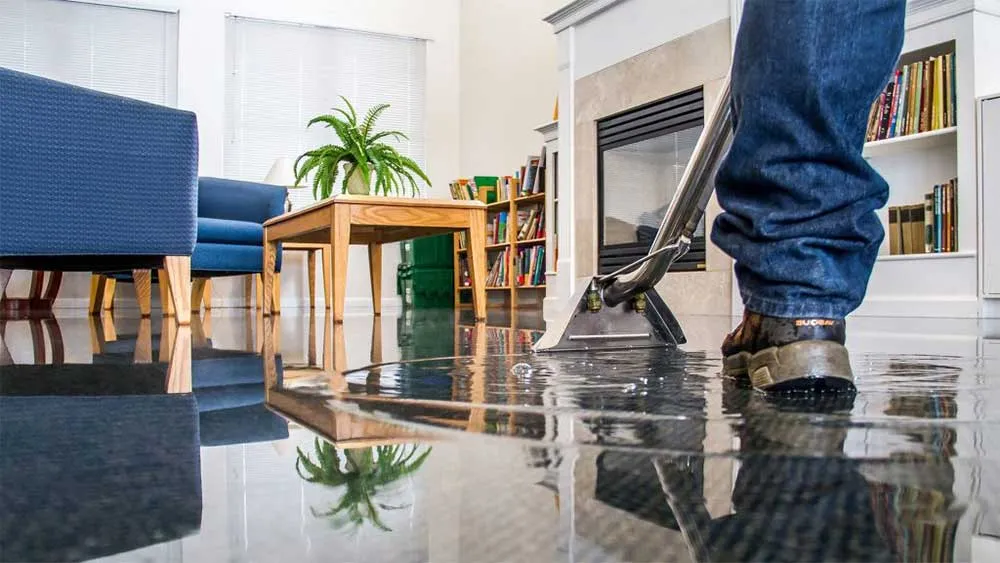
ServiceFind connects homeowners to verified water damage professionals across Canada. We do not perform restoration work ourselves. Our mission is to bridge the gap between crisis and resolution by providing objective education.
- ✓ Education First
- ✓ Safety Always
- ✓ Transparency & Empowerment

Verification Standards
Our network partners must meet strict criteria:
- IICRC certification validation
- Minimum $2M Liability Insurance
- WCB/WSIB clearance verification


Our Mission
"Empowering Canadian homeowners with the knowledge, tools, and resources to protect their homes from water damage, flooding, and sewer backup — because informed homeowners make safer decisions."
Our Mission: Empowering Canadian Homeowners
ServiceFind Canada is an educational marketplace and public information initiative created to empower Canadian homeowners with independent, expert-backed guidance on water damage prevention, flood safety, and structural drying. We connect homeowners with verified local restoration professionals across Alberta, British Columbia, Ontario, and Saskatchewan.
No. ServiceFind Canada is an educational resource and independent marketplace connecting homeowners to qualified third-party contractors. We do not perform physical restoration work directly, which allows our editorial team to maintain strict objectivity and transparency across all published guidance.
Our educational resources, checklists, and downloadable guides are entirely free to the public. The platform is supported by subscription and referral participation fees from verified restoration service providers who meet our rigorous credentialing and insurance standards.
All educational content is developed by building science researchers and technical writers in direct consultation with IICRC-certified Master Water Restorers, structural engineers, and public health literature. Content undergoes rigorous editorial review to align with CMHC guidelines and provincial building codes.
Yes. Before any restoration company is admitted to the ServiceFind network, our compliance team validates their IICRC firm certification, confirms active commercial general liability insurance ($2M minimum), verifies provincial workers' compensation coverage, and checks professional references.
Participating restoration contractors typically hold IICRC Water Damage Restoration Technician (WRT), Applied Structural Drying (ASD), and Applied Microbial Remediation Technician (AMRT) credentials. These certifications verify comprehensive training in psychrometrics, containment protocols, and industrial drying technologies.
We follow a multi-tier editorial protocol: every technical recommendation is referenced against current IICRC S500/S520 standards, National Building Code of Canada provisions, Health Canada guidance, and peer-reviewed building science studies. Content is reviewed bi-annually for regulatory updates.
Yes. Unlike generic American advice, our content addresses Canadian realities: severe freeze-thaw cycles, sub-zero pipe protection, Canadian building envelopes, provincial overland flood insurance frameworks, and municipal backwater valve subsidy programmes.
We do not sell preferential editorial placement or skewed reviews. All informational guides, safety thresholds, and DIY boundary recommendations are determined solely by objective safety standards and building science criteria, completely independent of commercial sponsorship.
Our resource hub is updated continuously as building codes evolve, new municipal flood incentive programmes are announced, and restoration standards are revised by bodies like the IICRC and Canadian Construction Association.
Yes, we actively encourage community feedback and topic submissions. Homeowners facing unique drainage, permafrost, or regional moisture dilemmas can reach out through our contact channels, and our editorial panel frequently produces dedicated guides answering common homeowner inquiries.
We adhere strictly to the Personal Information Protection and Electronic Documents Act (PIPEDA). We do not sell consumer contact details to third-party telemarketers. When you request assistance, your details are shared solely with verified providers in your local trading zone.
We are currently developing French-language versions of our core educational guides and expanding our verified partner network into Quebec. In the interim, bilingual emergency call operators are available through our national phone line to assist francophone callers.
Our provider network and educational resources currently focus on the primary population centres of Ontario, British Columbia, Alberta, and Saskatchewan, representing diverse hydrological zones from coastal maritime rain belts to cold prairie continental climates.
We welcome technical review and consumer feedback. If you identify an outdated municipal rebate link, evolving code reference, or factual discrepancy, contact our editorial team via email, and our research staff will verify and update the material promptly.
ServiceFind Canada maintains complete structural independence from Canadian insurance underwriters, adjusters, and brokerages. Our allegiance is to homeowner education, ensuring you receive impartial guidance when documenting claims and assessing restoration proposals.
Our comprehensive privacy policy outlines how data is gathered, encrypted, and retained under Canadian federal privacy law. We utilize SSL encryption sitewide, never monetize consumer data, and provide full transparency regarding cookies and analytical metrics.
Yes. Restoration firms with documented IICRC credentials, positive consumer records, and up-to-date WCB/WSIB clearance can submit an application. Our compliance officers conduct background screening and interview company management prior to network onboarding.
While ServiceFind Canada enforces stringent pre-qualification standards, contracts for restoration services are executed directly between the homeowner and the independent restoration provider. We provide dispute mediation resources and monitor customer satisfaction indices continuously.
You can support our mission by sharing our downloadable guides with your condominium boards, neighbourhood associations, and friends, and by providing honest reviews of your experiences with verified service providers to help maintain industry accountability.
Safety First
Electrical Hazards
Never enter a flooded area until power is turned off at the main breaker. Water and electricity are a deadly combination.
Structural Risks
Watch for sagging ceilings, buckling floors, and cracked foundation walls. Evacuate immediately if you suspect structural instability.
Proper PPE
Always wear rubber boots, waterproof gloves, eye protection, and an N95 respirator when dealing with contaminated water or mould.
When to Evacuate
Leave the premises if the water level is rising rapidly, sewage is involved, or you smell gas. Safety always outweighs property.
The Science of Home Care
Clean Water (Cat 1)
Originates from a sanitary source (e.g., broken pipe). Safe to clean if addressed immediately before bacteria growth occurs.
Grey Water (Cat 2)
Contains significant contamination (e.g., dishwasher overflow). Can cause sickness if ingested or exposed to skin.
Black Water (Cat 3)
Grossly contaminated (e.g., sewage backup, floodwaters). Requires immediate professional hazardous material handling.
DIY vs. Professional Mitigation
Not every water incident requires a professional crew, but knowing the line between a weekend project and a hazardous situation is critical.
Safe DIY Actions
- 1. Shut off the main water valve if the source is a burst pipe.
- 2. Mop up small clean water spills (under 10 sq ft).
- 3. Move dry furniture and valuables away from the affected area.
- 4. Set up household fans and dehumidifiers for minor surface moisture.
- 5. Document damage with photos for insurance purposes.
Stop & Call a Pro If:
- • The water source is contaminated (sewage, floodwater).
- • Water has been sitting for more than 24 hours.
- • Materials like drywall or carpet padding are saturated.
- • You spot visible mould growth or smell a strong musty odor.
- • Ceilings are sagging or structural damage is evident.
First 60-Minute Emergency Protocol
Critical step-by-step actions to take immediately when water enters your home.
Read GuideSpring Snowmelt Flood Preparedness
How Canadian homeowners can protect foundations against rapid freeze-thaw water runoff.
Read GuideNavigating Canadian Insurance Claims
Understanding overland flood endorsements, sewer backup policies, and claim documentation.
Read GuideWhen to Call a Restoration Pro
Clear red-line hazard criteria distinguishing manageable DIY cleanups from dangerous biohazards.
Read GuideUnbiased Education
Our guides are authored by building science specialists without commercial product endorsements.
IICRC Standard Aligned
All technical restoration advice strictly mirrors the IICRC S500 Standard for Water Damage Restoration.
Canadian Specifics
Content specifically tailored to Canadian building envelopes, regional weather, and provincial bylaws.
Vetted Contractor Network
Every network partner is screened for valid IICRC credentials, $2M liability insurance, and provincial WCB/WSIB.
Objective Marketplace
We do not perform restoration services directly, ensuring complete independence in our educational advice.
Free Downloadable Resources
Keep these checklists and guides handy. Download them to your device or print them out so you're prepared for any situation.
Emergency Water Damage Response Checklist
Immediate 60-minute safety and mitigation triage protocol for Canadian homeowners.
PDF • 145 KBSeasonal Home Maintenance Calendar — Canada
Four-season inspection schedule to safeguard plumbing, roofs, and foundations from moisture.
PDF • 220 KBInsurance Claim Documentation Template
Comprehensive inventory spreadsheet and photo log format tailored for Canadian insurance adjusters.
PDF • 180 KBMould Prevention Timeline & Checklist
Hour-by-hour environmental controls to inhibit fungal spore propagation in damp structures.
PDF • 130 KBEducational Hub
Access our full library of Canadian homeowner resources and step-by-step guides.
Explore All GuidesThe 4-Step Recovery Process
Assess the Situation
Ensure the area is safe. Turn off electricity and identify the water source if possible.
Document & Protect
Take photos for insurance. Move dry valuables to a safe location.
Mitigate & Dry
Extract standing water and begin the drying process using air movers and dehumidifiers.
Restore & Prevent
Repair damaged materials and implement solutions to prevent future water intrusion.
When to Call a Professional
Understanding the limits of DIY mitigation can save you thousands in secondary damage and mould remediation.
You can handle this yourself if:
- The water is clean (e.g., overflowing sink with fresh water).
- The affected area is small (less than a 10x10 room).
- Water has been present for less than 24 hours.
- You have the ability to physically remove the water and dry the area quickly.
- No structural materials like drywall or insulation are soaked.
Call a professional immediately if:
- The water is contaminated (sewage, floodwaters, or grey water).
- The affected area is extensive or spans multiple floors.
- Water has been sitting for more than 24 hours.
- Materials like drywall, insulation, or subflooring are saturated.
- You smell musty odors or see visible mould growth.
- Structural integrity is compromised (sagging ceilings, etc.).
Why Trust Our Information?
We adhere to the highest industry standards for water damage mitigation and mold remediation to provide you with accurate, actionable advice.
Industry Standards
Our guides are based on IICRC (Institute of Inspection, Cleaning and Restoration Certification) S500 and S520 standards.
Government Guidelines
We reference guidelines from CMHC, Environment Canada, and Health Canada for relevant local context.
Editorial Rigor
Every article undergoes a Research → Expert Review → Fact-Check process before publication.
Marketplace Transparency
We connect you to verified professionals but do not perform restoration work ourselves, ensuring unbiased advice.
Serving Homeowners Across Canada
Our network of verified professionals is ready to respond to water emergencies in key regions across the country.
Check Your Postal CodeNeed Immediate Assistance?
Our network includes providers offering 24/7 emergency response across Canada. Get a fair quote.