Protect Your Home From Water Damage — A Canadian Homeowner's Resource
Expert-backed guides, safety resources, and practical tools to help you prevent, identify, and respond to flooding and sewer backup across Canada.
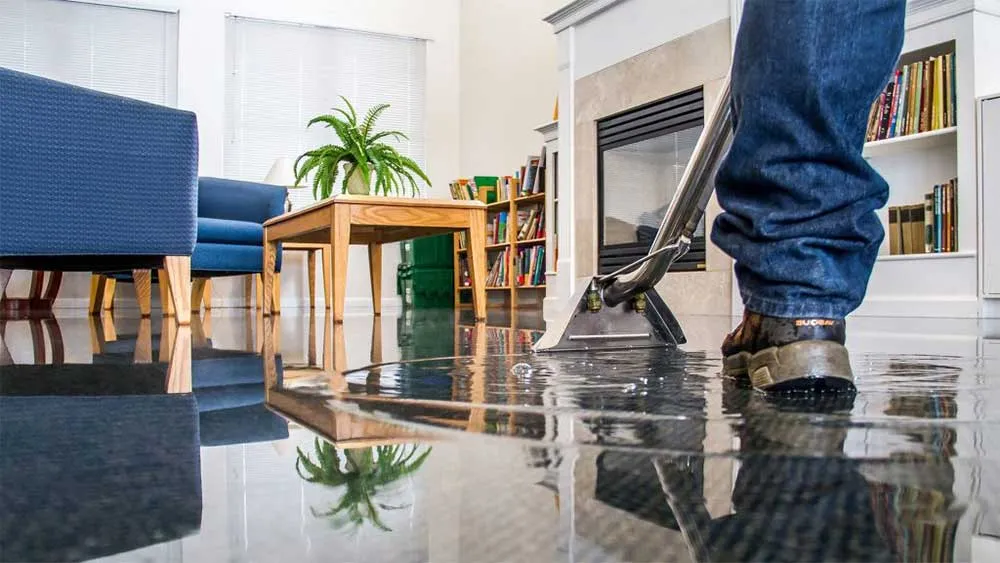
The Scope of Water Damage in Canada
$1B+
Estimated annual insurable losses from water damage in Canada.
50%
Of all home insurance claims are related to water damage.
48 Hrs
Time window before mould growth typically begins.

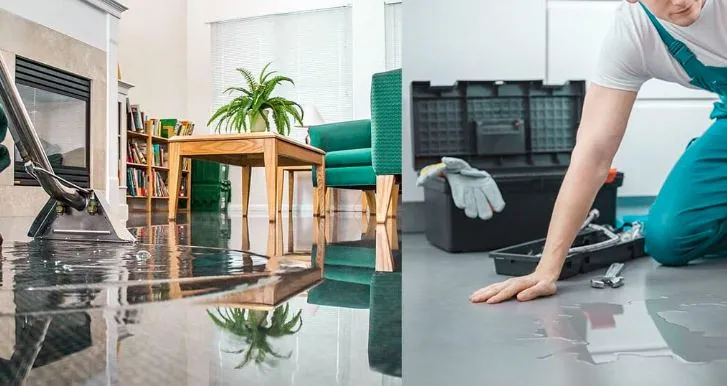

Our Mission
"Empowering Canadian homeowners with the knowledge, tools, and resources to protect their homes from water damage, flooding, and sewer backup — because informed homeowners make safer decisions."
Protect Your Home From Water Damage — A Canadian Homeowner's Resource
The primary causes of water damage in Canadian residences are plumbing fixture failures, basement seepage during spring snowmelt, and sewer backup events during intense summer cloudbursts. According to the Insurance Bureau of Canada (IBC), water claims have surpassed fire as the leading source of property loss claims across the country.
Canada's prolonged sub-zero winters freeze topsoil solid, creating an impermeable barrier. When rapid spring thaws or heavy rainfall arrive, water cannot absorb into the ground and instead runs directly toward foundation perimeters. Homes with inadequate grading, clogged weeping tiles, or disconnected downspouts face elevated hydrostatic pressure and basement intrusion risks.
Overland flooding refers to surface water from overflowing rivers, lakes, or torrential rain entering your home through doors, windows, or foundation cracks. Sewer backup occurs when municipal stormwater or sanitary sewer systems become overwhelmed, forcing wastewater backward through basement floor drains and toilets. Standard policies typically require separate optional endorsements for each.
Flood insurance is not federally mandated in Canada, but mortgage lenders often insist on comprehensive peril coverage. Crucially, overland flood insurance and sewer backup endorsements are optional coverages that must be explicitly added to standard residential property policies to ensure financial protection.
First, assess your personal safety: never enter standing water if electrical outlets, appliances, or extension cords are submerged. If safe, switch off power at the main electrical panel from a dry vantage point, locate and turn off the main water shut-off valve, take preliminary date-stamped photos, and phone your insurer.
Under ambient indoor temperatures of 20°C to 30°C with elevated humidity above 60%, microscopic mould spores can germinate and initiate colonization on organic materials—such as drywall paper, timber baseboards, and carpet backing—within 24 to 48 hours. Swift extraction and structural dehumidification are essential.
Safety depends on the category of water and extent of contamination. Category 1 (clean supply water) usually allows occupants to remain if living quarters are unaffected. In contrast, Category 2 (grey water) or Category 3 (black water/sewage) presents significant microbiological and biohazard risks, making temporary relocation strongly advisable.
A backwater valve is a mechanical flap installed on your home's main sewer lateral that allows wastewater to exit toward the street while automatically sealing shut if municipal sewer water attempts to back up into your basement. Many Canadian municipalities provide subsidy rebates covering a substantial portion of installation costs.
Restoration costs vary significantly based on water category, square footage, and structural drying requirements. Minor clean water extraction may cost between $1,500 and $3,500, whereas extensive sewage remediation and drywall reconstruction frequently range from $8,000 to over $25,000. All figures represent estimates subject to on-site scope assessment.
The Institute of Inspection, Cleaning and Restoration Certification (IICRC) is the globally recognized non-profit standard-setting body for the restoration industry. Certified firms strictly adhere to the IICRC S500 Standard for Professional Water Damage Restoration, ensuring scientifically verified drying psychrometry, thermal imaging diagnostics, and safety protocols.
Health authorities and restoration standards strongly advise against DIY sewage cleanup. Raw sewage is classified as Category 3 black water and carries severe pathogens, including Salmonella, E. coli, Hepatitis A, and airborne endotoxins. Safe decontamination requires commercial antimicrobial agents, negative air pressure machines, and specialized personal protective equipment.
Exposure to Category 3 black water through skin contact, open abrasions, or inhalation of aerosolized droplets can result in acute gastroenteritis, severe skin infections, respiratory distress, and systemic illness. Immunocompromised individuals, elderly adults, and young children are especially vulnerable to toxic exposure.
Common indicators of concealed moisture behind walls or subflooring include persistent earthy or musty odours, bubbling paint, warped baseboards, soft patches in drywall, and unexplained spikes in municipal water utility bills. Certified restoration technicians deploy non-invasive pinless moisture meters and infrared thermography to identify trapped dampness.
Capture high-resolution, date-stamped photographs and video walkthroughs of all damaged building materials and contents before discarding anything. Compile an itemized spreadsheet detailing item descriptions, estimated purchase dates, and replacement values, and preserve copies of all emergency mitigation receipts and contractor invoices.
Federal assistance is administered through the Disaster Financial Assistance Arrangements (DFAA) in partnership with provincial disaster recovery programmes following severe natural disaster declarations. However, government relief is generally restricted to uninsurable losses and essential living needs, making private insurance your primary defense.
Maintain interior thermostat settings at a minimum of 15°C (59°F) even when away, insulate exposed piping in unheated crawl spaces and exterior wall cavities, disconnect all outdoor garden hoses before the first freeze, and allow a slight trickle of water during severe cold snaps to maintain continuous flow.
A sump pump evacuates groundwater collected by perimeter weeping tiles away from your foundation footings before it can penetrate basement floors. Installing a dual-pump setup with a dedicated battery backup system ensures continuous operation during severe thunderstorms when municipal power outages frequently coincide with peak stormwater influx.
Smart leak detection systems with automated shut-off valves provide exceptional protection by monitoring pipe pressure, continuous flow anomalies, and point-of-use sensors beneath appliances. When abnormal flow is identified, the system instantly shuts the main valve, and many insurers provide policy premium discounts for verified installations.
Confirm current IICRC certification credentials, verify valid commercial general liability insurance of at least $2M, confirm provincial workers' compensation board (WCB/WSIB) clearance, request transparent written scopes of work using industry pricing platforms, and avoid contractors demanding full upfront cash deposits.
Homeowners can consult municipal flood plain mapping tools, regional conservation authorities (such as those in Ontario), provincial environment ministries, and Canada Mortgage and Housing Corporation (CMHC) homeowner guides. These resources illustrate regional watershed boundaries, 100-year flood levels, and coastal storm surge projections.
Safety First
Electrical Hazards
Never enter a flooded area until power is turned off at the main breaker. Water and electricity are a deadly combination.
Structural Risks
Watch for sagging ceilings, buckling floors, and cracked foundation walls. Evacuate immediately if you suspect structural instability.
Proper PPE
Always wear rubber boots, waterproof gloves, eye protection, and an N95 respirator when dealing with contaminated water or mould.
When to Evacuate
Leave the premises if the water level is rising rapidly, sewage is involved, or you smell gas. Safety always outweighs property.
The Science of Home Care
Clean Water (Cat 1)
Originates from a sanitary source (e.g., broken pipe). Safe to clean if addressed immediately before bacteria growth occurs.
Grey Water (Cat 2)
Contains significant contamination (e.g., dishwasher overflow). Can cause sickness if ingested or exposed to skin.
Black Water (Cat 3)
Grossly contaminated (e.g., sewage backup, floodwaters). Requires immediate professional hazardous material handling.
DIY vs. Professional Mitigation
Not every water incident requires a professional crew, but knowing the line between a weekend project and a hazardous situation is critical.
Safe DIY Actions
- 1. Shut off the main water valve if the source is a burst pipe.
- 2. Mop up small clean water spills (under 10 sq ft).
- 3. Move dry furniture and valuables away from the affected area.
- 4. Set up household fans and dehumidifiers for minor surface moisture.
- 5. Document damage with photos for insurance purposes.
Stop & Call a Pro If:
- • The water source is contaminated (sewage, floodwater).
- • Water has been sitting for more than 24 hours.
- • Materials like drywall or carpet padding are saturated.
- • You spot visible mould growth or smell a strong musty odor.
- • Ceilings are sagging or structural damage is evident.
First 60-Minute Emergency Protocol
Critical step-by-step actions to take immediately when water enters your home.
Read GuideSpring Snowmelt Flood Preparedness
How Canadian homeowners can protect foundations against rapid freeze-thaw water runoff.
Read GuideNavigating Canadian Insurance Claims
Understanding overland flood endorsements, sewer backup policies, and claim documentation.
Read GuideWhen to Call a Restoration Pro
Clear red-line hazard criteria distinguishing manageable DIY cleanups from dangerous biohazards.
Read GuidePrioritize Electrical Safety
Never step into standing basement water until the main breaker has been switched off from a dry vantage point.
Act Within 24 Hours
Extracting liquid within the first day dramatically prevents secondary microbial growth and structural warping.
Document Before Disposal
Photograph watermarks and serial numbers before discarding damaged drywall, carpeting, or personal belongings.
Notify Insurer Promptly
Contact your insurance broker or emergency claims hotline immediately to open a claim file and confirm endorsement limits.
Verify Certified Credentials
Ensure restoration contractors hold active IICRC certification, $2M liability insurance, and WCB/WSIB clearance.
Free Downloadable Resources
Keep these checklists and guides handy. Download them to your device or print them out so you're prepared for any situation.
Emergency Water Damage Response Checklist
Immediate 60-minute safety and mitigation triage protocol for Canadian homeowners.
PDF • 145 KBSeasonal Home Maintenance Calendar — Canada
Four-season inspection schedule to safeguard plumbing, roofs, and foundations from moisture.
PDF • 220 KBInsurance Claim Documentation Template
Comprehensive inventory spreadsheet and photo log format tailored for Canadian insurance adjusters.
PDF • 180 KBMould Prevention Timeline & Checklist
Hour-by-hour environmental controls to inhibit fungal spore propagation in damp structures.
PDF • 130 KBEducational Hub
Access our full library of Canadian homeowner resources and step-by-step guides.
Explore All GuidesThe 4-Step Recovery Process
Assess the Situation
Ensure the area is safe. Turn off electricity and identify the water source if possible.
Document & Protect
Take photos for insurance. Move dry valuables to a safe location.
Mitigate & Dry
Extract standing water and begin the drying process using air movers and dehumidifiers.
Restore & Prevent
Repair damaged materials and implement solutions to prevent future water intrusion.
When to Call a Professional
Understanding the limits of DIY mitigation can save you thousands in secondary damage and mould remediation.
You can handle this yourself if:
- The water is clean (e.g., overflowing sink with fresh water).
- The affected area is small (less than a 10x10 room).
- Water has been present for less than 24 hours.
- You have the ability to physically remove the water and dry the area quickly.
- No structural materials like drywall or insulation are soaked.
Call a professional immediately if:
- The water is contaminated (sewage, floodwaters, or grey water).
- The affected area is extensive or spans multiple floors.
- Water has been sitting for more than 24 hours.
- Materials like drywall, insulation, or subflooring are saturated.
- You smell musty odors or see visible mould growth.
- Structural integrity is compromised (sagging ceilings, etc.).
Why Trust Our Information?
We adhere to the highest industry standards for water damage mitigation and mold remediation to provide you with accurate, actionable advice.
Industry Standards
Our guides are based on IICRC (Institute of Inspection, Cleaning and Restoration Certification) S500 and S520 standards.
Government Guidelines
We reference guidelines from CMHC, Environment Canada, and Health Canada for relevant local context.
Editorial Rigor
Every article undergoes a Research → Expert Review → Fact-Check process before publication.
Marketplace Transparency
We connect you to verified professionals but do not perform restoration work ourselves, ensuring unbiased advice.
Serving Homeowners Across Canada
Our network of verified professionals is ready to respond to water emergencies in key regions across the country.
Check Your Postal CodeNeed Immediate Assistance?
Our network includes providers offering 24/7 emergency response across Canada. Get a fair quote.