The Water Damage Response Process — From Discovery to Resolution
Understand exactly what happens during a water damage event so you can make informed decisions.
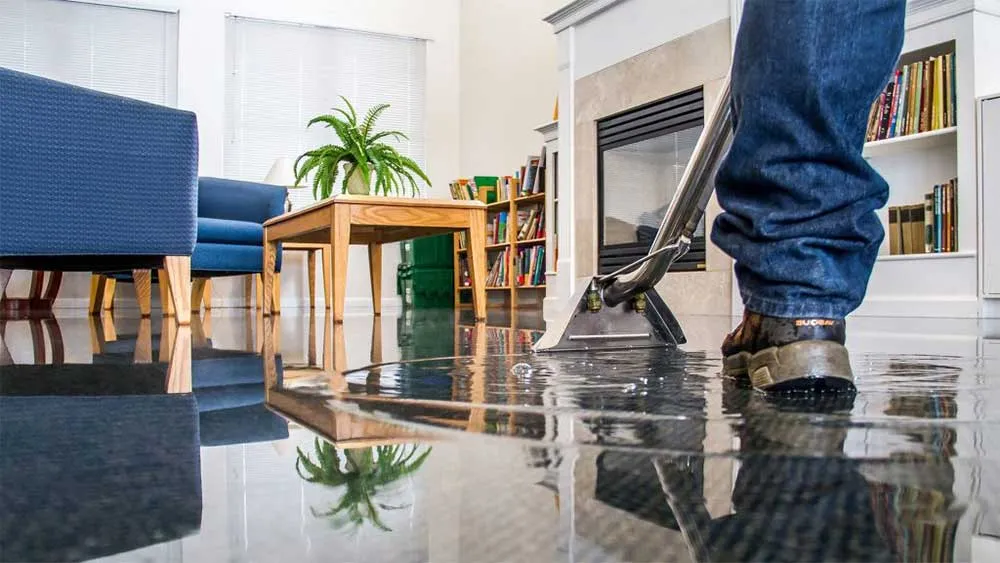
4-Step Deep Dive
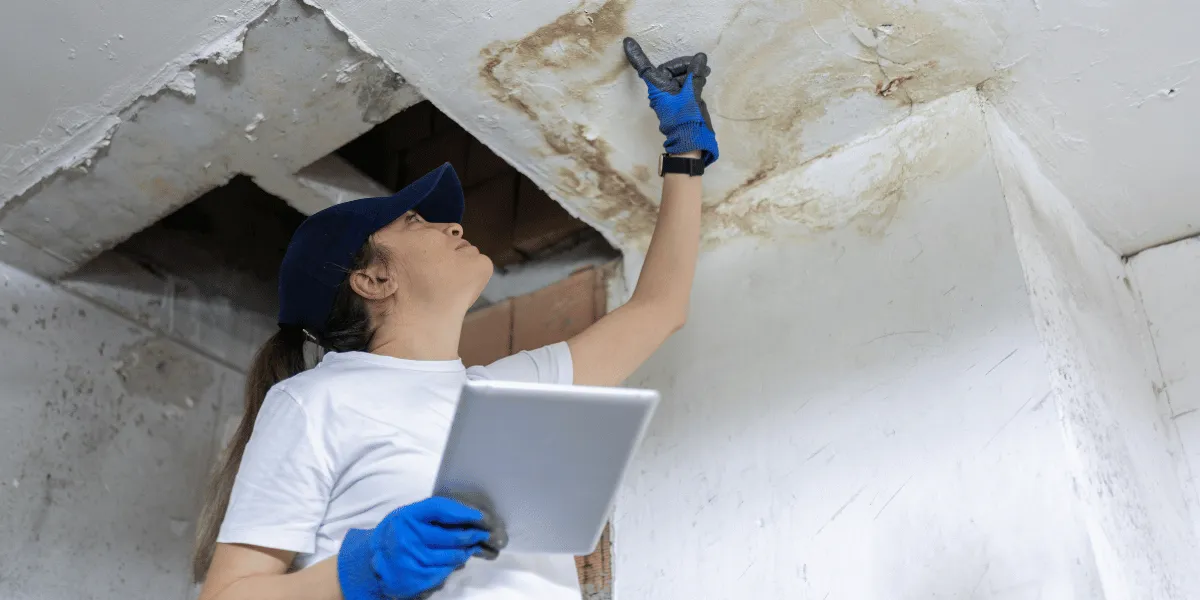
1. Assessment & Safety
Identifying the source, categorizing the water, and ensuring structural and electrical safety before proceeding.
2. Extraction
Removing standing water using pumps and vacuums to prevent further saturation.
3. Drying & Dehumidification
Deploying air movers and dehumidifiers to remove moisture from air and materials.
4. Cleaning & Restoration
Sanitizing affected areas and repairing or replacing damaged structures.
Equipment Guide
Understanding the tools used in mitigation:
- Dehumidifiers: Extract moisture from the air.
- Air Movers: Increase evaporation rates.
- Moisture Metres: Detect hidden moisture in walls.
- HEPA Scrubbers: Filter airborne contaminants.
Our Mission
"Empowering Canadian homeowners with the knowledge, tools, and resources to protect their homes from water damage, flooding, and sewer backup — because informed homeowners make safer decisions."
The Water Damage Response Process — From Discovery to Resolution
A certified technician performs an initial safety triage, identifies the water intrusion source, and categorizes the water (Category 1, 2, or 3). They deploy moisture meters and thermal imaging cameras to delineate the structural moisture perimeter, document affected contents, and produce an itemized scope of work.
Typical drying cycles require 3 to 5 business days using commercial air movers and LGR dehumidifiers to return structural framing to equilibrium moisture content. Subsequent repairs and rebuild phases—such as drywall re-hanging, painting, and flooring replacement—generally take an additional 1 to 3 weeks depending on material availability.
Restoration crews employ commercial truck-mounted water extractors, Low Grain Refrigerant (LGR) or desiccant dehumidifiers, high-velocity centrifugal air movers, HEPA-filtered air scrubbers for microbial capture, and calibrated penetrating and pinless moisture meters.
Coverage depends entirely on policy wording and the origin of the event. Sudden and accidental internal plumbing bursts are broadly covered under standard policies. However, overland flooding, surface water intrusion, and sewer backup require specific elective endorsements, and gradual leaks caused by deferred maintenance are universally excluded.
Take clear photos and panoramic videos showing standing water depth, affected wall sections, and watermarks. Photograph furniture labels, serial numbers on flooded appliances, and high-value belongings. Keep wet damaged items in a safe exterior location until the insurance adjuster inspects them.
Technicians compare readings from affected building materials against 'dry standard' baseline measurements taken in unaffected rooms. They employ resistance-based pin meters for timber framing and drywall cores, capacitive radio-frequency meters for non-invasive surface scans, and thermo-hygrometers for relative humidity calculations.
Mitigation refers to immediate emergency stabilization: stopping the water source, extracting liquid, removing wet unsalvageable carpets, and initiating rapid structural drying to halt progressive deterioration. Restoration (or reconstruction) involves rebuilding the property back to pre-loss condition after certified drying is complete.
Vacating is mandatory if Category 3 black water is present or if widespread microbial containment is erected. During clean water drying, homeowners may stay, although the ambient heat, heavy continuous noise from industrial fans, and dry air conditions may prompt many to seek temporary accommodations.
Technicians achieve rapid moisture reduction within the critical 24-to-48-hour window, apply EPA/Health Canada registered botanical or quaternary antimicrobials to framing lumber, and operate HEPA air scrubbers to extract airborne fungal spores from the breathing zone.
Infrared thermography detects subtle surface temperature differentials caused by evaporative cooling where moisture is present. This enables technicians to locate concealed water trapped behind tiled showers, insulated exterior walls, and underneath hardwood subfloors without causing destructive wall openings.
Commercial air movers and industrial dehumidifiers generate noise levels ranging between 65 and 75 decibels—comparable to running a standard vacuum cleaner continuously. Crews can position equipment strategically and offer sound containment blankets where feasible.
Yes. Most reputable restoration contractors use Xactimate, the standardized estimating software favored by major Canadian insurers. They upload daily moisture logs, thermal photographs, and line-item estimates directly to the claims adjuster to expedite coverage approval.
A moisture map is an architectural schematic diagram recording daily moisture content and humidity readings across affected rooms. It provides verifiable scientific evidence for your insurer that the structure has been dried back to IICRC S500 equilibrium standards before reconstruction starts.
Your structure is scientifically dry only when wood moisture content drops below 15-16% (and drywall below 1% equivalent moisture content), as verified by calibrated moisture meters compared to dry baseline controls—not merely when surfaces feel dry to human touch.
If trapped moisture remains undetected inside wall cavities or beneath subflooring, microbial mould will proliferate, subfloor plywood will delaminate, and framing studs will develop dry rot. Remediation at that stage necessitates invasive containment barriers and significantly higher repair costs.
Yes. The mitigation and drying phase must occur immediately as an emergency service. The subsequent repair and reconstruction phase (flooring installation, drywall mudding, trim finishing) can be scheduled according to homeowner convenience and material delivery schedules.
The lead technician conducts a joint inspection with the homeowner, reviewing final moisture readings across all structural members, verifying that all industrial equipment has been removed, confirming antimicrobial application, and providing a signed Certificate of Completion.
Never install flooring or apply paint until certified moisture readings confirm the underlying substrate (concrete slab or plywood subfloor) has returned to dry standard equilibrium. Installing prematurely traps residual moisture, causing floor cupping and peeling paint.
Reputable contractors generally provide a 1-year workmanship warranty on structural repairs and structural drying warranties guaranteeing that mould will not develop on treated framing members provided no new external water intrusion occurs.
Clear unobstructed pathways from entryways to the damaged zone, secure pets in an unaffected room or off-site, move fragile personal keepsakes to dry upper floors, and assemble policy documents and claim numbers for the incoming project manager.
Safety First
Electrical Hazards
Never enter a flooded area until power is turned off at the main breaker. Water and electricity are a deadly combination.
Structural Risks
Watch for sagging ceilings, buckling floors, and cracked foundation walls. Evacuate immediately if you suspect structural instability.
Proper PPE
Always wear rubber boots, waterproof gloves, eye protection, and an N95 respirator when dealing with contaminated water or mould.
When to Evacuate
Leave the premises if the water level is rising rapidly, sewage is involved, or you smell gas. Safety always outweighs property.
The Science of Home Care
Clean Water (Cat 1)
Originates from a sanitary source (e.g., broken pipe). Safe to clean if addressed immediately before bacteria growth occurs.
Grey Water (Cat 2)
Contains significant contamination (e.g., dishwasher overflow). Can cause sickness if ingested or exposed to skin.
Black Water (Cat 3)
Grossly contaminated (e.g., sewage backup, floodwaters). Requires immediate professional hazardous material handling.
DIY vs. Professional Mitigation
Not every water incident requires a professional crew, but knowing the line between a weekend project and a hazardous situation is critical.
Safe DIY Actions
- 1. Shut off the main water valve if the source is a burst pipe.
- 2. Mop up small clean water spills (under 10 sq ft).
- 3. Move dry furniture and valuables away from the affected area.
- 4. Set up household fans and dehumidifiers for minor surface moisture.
- 5. Document damage with photos for insurance purposes.
Stop & Call a Pro If:
- • The water source is contaminated (sewage, floodwater).
- • Water has been sitting for more than 24 hours.
- • Materials like drywall or carpet padding are saturated.
- • You spot visible mould growth or smell a strong musty odor.
- • Ceilings are sagging or structural damage is evident.
First 60-Minute Emergency Protocol
Critical step-by-step actions to take immediately when water enters your home.
Read GuideSpring Snowmelt Flood Preparedness
How Canadian homeowners can protect foundations against rapid freeze-thaw water runoff.
Read GuideNavigating Canadian Insurance Claims
Understanding overland flood endorsements, sewer backup policies, and claim documentation.
Read GuideWhen to Call a Restoration Pro
Clear red-line hazard criteria distinguishing manageable DIY cleanups from dangerous biohazards.
Read GuideEstablish Daily Drying Logs
Ensure your contractor documents psychrometric readings and moisture content daily until equilibrium is reached.
Insist on Thermal Imaging
Infrared cameras detect trapped moisture pockets behind bathroom tiling and insulated walls without demolition.
Anticipate Industrial Noise
Commercial air movers produce steady 65-75 dB ambient sound levels; consider temporary relocation during drying.
Never Trap Wet Surfaces
Do not install flooring or paint drywall until pinless meter tests confirm complete substrate dryness.
Demand Signed Clearance
Obtain a formal Certificate of Drying and final moisture mapping records prior to authorizing rebuild invoices.
Free Downloadable Resources
Keep these checklists and guides handy. Download them to your device or print them out so you're prepared for any situation.
Emergency Water Damage Response Checklist
Immediate 60-minute safety and mitigation triage protocol for Canadian homeowners.
PDF • 145 KBSeasonal Home Maintenance Calendar — Canada
Four-season inspection schedule to safeguard plumbing, roofs, and foundations from moisture.
PDF • 220 KBInsurance Claim Documentation Template
Comprehensive inventory spreadsheet and photo log format tailored for Canadian insurance adjusters.
PDF • 180 KBMould Prevention Timeline & Checklist
Hour-by-hour environmental controls to inhibit fungal spore propagation in damp structures.
PDF • 130 KBEducational Hub
Access our full library of Canadian homeowner resources and step-by-step guides.
Explore All GuidesThe 4-Step Recovery Process
Assess the Situation
Ensure the area is safe. Turn off electricity and identify the water source if possible.
Document & Protect
Take photos for insurance. Move dry valuables to a safe location.
Mitigate & Dry
Extract standing water and begin the drying process using air movers and dehumidifiers.
Restore & Prevent
Repair damaged materials and implement solutions to prevent future water intrusion.
When to Call a Professional
Understanding the limits of DIY mitigation can save you thousands in secondary damage and mould remediation.
You can handle this yourself if:
- The water is clean (e.g., overflowing sink with fresh water).
- The affected area is small (less than a 10x10 room).
- Water has been present for less than 24 hours.
- You have the ability to physically remove the water and dry the area quickly.
- No structural materials like drywall or insulation are soaked.
Call a professional immediately if:
- The water is contaminated (sewage, floodwaters, or grey water).
- The affected area is extensive or spans multiple floors.
- Water has been sitting for more than 24 hours.
- Materials like drywall, insulation, or subflooring are saturated.
- You smell musty odors or see visible mould growth.
- Structural integrity is compromised (sagging ceilings, etc.).
Why Trust Our Information?
We adhere to the highest industry standards for water damage mitigation and mold remediation to provide you with accurate, actionable advice.
Industry Standards
Our guides are based on IICRC (Institute of Inspection, Cleaning and Restoration Certification) S500 and S520 standards.
Government Guidelines
We reference guidelines from CMHC, Environment Canada, and Health Canada for relevant local context.
Editorial Rigor
Every article undergoes a Research → Expert Review → Fact-Check process before publication.
Marketplace Transparency
We connect you to verified professionals but do not perform restoration work ourselves, ensuring unbiased advice.
Serving Homeowners Across Canada
Our network of verified professionals is ready to respond to water emergencies in key regions across the country.
Check Your Postal CodeNeed Immediate Assistance?
Our network includes providers offering 24/7 emergency response across Canada. Get a fair quote.