DIY Water Damage Guides — Empowering Homeowners to Act
Step-by-step checklists, seasonal maintenance guides, and tool requirements for handling minor water issues safely.
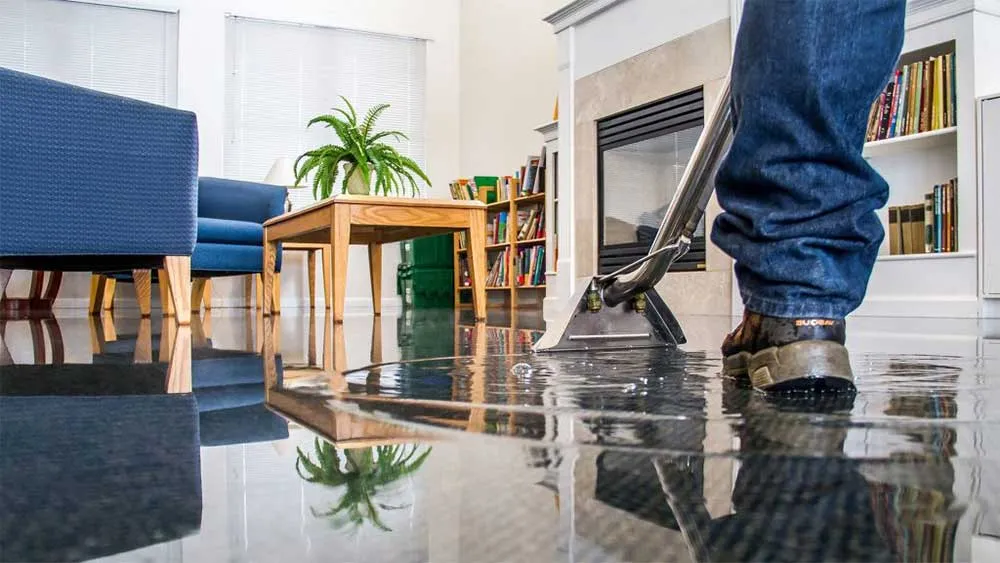
⚠️ DIY Safety Boundaries
Do NOT attempt DIY cleanup if:
- The water source is sewage or unknown (Category 3).
- There is extensive mould growth (over 10 sq ft).
- Electrical systems are compromised or submerged.
- The structural integrity of the building is in question.
Seasonal Maintenance Checklists
Spring & Summer
- Inspect roof for winter damage.
- Clean eavestroughs and downspouts.
- Check grading around foundation.
- Test sump pump operation.
Fall & Winter
- Disconnect exterior hoses.
- Insulate exposed pipes.
- Clear debris from storm drains.
- Monitor indoor humidity levels.


Our Mission
"Empowering Canadian homeowners with the knowledge, tools, and resources to protect their homes from water damage, flooding, and sewer backup — because informed homeowners make safer decisions."
DIY Water Damage Guides — Empowering Homeowners to Act
You can safely manage Category 1 clean water spills affecting less than 10 square metres of non-porous or easily dried surfaces—such as a small clean overflow from a sink, a disconnected refrigerator supply line caught within an hour, or minor rainwater ingress through a window.
In Canadian homes, the main shut-off valve is typically situated in the basement near the front foundation wall, adjacent to the water meter. Turn ball-valve levers 90 degrees perpendicular to the pipe, or rotate round gate-valve wheels clockwise until firmly seated.
Every homeowner should own a wet/dry shop vacuum with a high-capacity tank, heavy squeegees, industrial-grade extension cords, high-velocity box fans, a portable residential dehumidifier, rubber gloves, an N95 mask, and a basic pinless moisture meter.
Never use a standard household vacuum cleaner for liquid extraction. Standard vacuums lack waterproof motor insulation and sealed recovery chambers; drawing water through them creates severe electrocution hazards and permanently destroys the appliance motor.
If drywall was exposed only to clean Category 1 water for under two hours, remove the baseboards, drill small 2.5-centimetre ventilation holes below the baseboard line into each wall cavity stud bay, and position high-velocity fans to force airflow into the wall voids.
Yes. Baseboards and shoe mouldings trap moisture against the bottom edge of drywall and perimeter wall plates. Removing baseboards allows trapped water to escape, facilitates wall cavity inspection, and prevents hidden fungal colonization behind the trim.
If soaked by clean Category 1 water and addressed within 24 hours, synthetic carpeting can often be dried in place using wet-vac extraction and air movers. However, the foam carpet underlay (cushion) acts like a sponge and should almost always be removed and replaced.
If safe to do so, extract standing surface water, open windows if exterior relative humidity is below 50%, run your HVAC fan continuously, set dehumidifiers to maximum extraction, and place aluminum foil or plastic wrap beneath wooden furniture legs touching damp floors.
No. Never position fans across Category 3 sewage or black water. High-velocity air currents will aerosolize dangerous bacteria, enteric pathogens, and microbial spores, dispersing bio-contaminants throughout your entire home via air drafts and HVAC returns.
High-absorbency towels, clean mops, buckets, baking soda for light surface deodorizing, white vinegar for cleaning mineral water marks, and heavy-duty plastic sheeting for draping over furniture and personal belongings can provide immediate containment.
Scrape away silt and debris, scrub thoroughly with a stiff-bristle broom using warm water and heavy-duty unscented detergent, rinse clean, vacuum wastewater, and apply an EPA/Health Canada approved disinfectant solution, allowing it to dry naturally over 24 hours.
Never paint over walls until a moisture meter confirms the drywall core reads normal baseline levels (below 1%). Once verified dry, apply an oil-based or shellac-based stain-blocking primer before applying latex topcoats; standard latex primer will let water stains bleed through.
Remove wet insulation and debris, pump out standing water, install a continuous 6-mil polyethylene vapor barrier across exposed soil, and run commercial dehumidifiers with drain hoses plumbed to the exterior until structural joists read below 15% moisture content.
Solid hardwood furniture can often be salvaged by gentle air drying away from direct heat to prevent warping, followed by cleaning and conditioning. Pressed particle board or MDF swells irreversibly upon moisture absorption, loses structural integrity, and should generally be discarded.
Immediately shut the supply valves behind the washer, extract standing water with a wet-vac, elevate the washer to inspect the subfloor underneath, pull back adjacent baseboards to check wall plates, and run fans and a dehumidifier continuously for 72 hours.
Use extreme caution. Uncontrolled heating without adequate dehumidification creates a warm, humid 'greenhouse' environment that dramatically accelerates fungal growth. Drying requires balanced psychrometrics: warm air, air movement, and active moisture extraction via dehumidifiers.
Look for visual clues like warped baseboards, peeling paint, or bulging drywall tape seams. Press gently on drywall: soft, spongy drywall indicates saturated gypsum. A musty odour detected when placing your nose near an electrical outlet also signals hidden dampness.
Immediately mop up surface puddles and use a wet-vac. Hardwood expands quickly, leading to cupping (edges higher than center) or crowning. Professional restoration contractors use specialized vacuum mats that pull moisture directly through the floorboards from the subfloor below.
Double-bag wet porous materials in heavy-duty 3-mil contractor bags before transporting them through living areas to prevent spore spread. Check municipal hazardous waste guidelines regarding disposal of wet drywall, carpet underlay, and treated lumber.
Download our free PDF checklists on this platform, consult Canada Mortgage and Housing Corporation (CMHC) homeowner publications, and review the Institute for Catastrophic Loss Reduction (ICLR) handbook for basement flood prevention.
Safety First
Electrical Hazards
Never enter a flooded area until power is turned off at the main breaker. Water and electricity are a deadly combination.
Structural Risks
Watch for sagging ceilings, buckling floors, and cracked foundation walls. Evacuate immediately if you suspect structural instability.
Proper PPE
Always wear rubber boots, waterproof gloves, eye protection, and an N95 respirator when dealing with contaminated water or mould.
When to Evacuate
Leave the premises if the water level is rising rapidly, sewage is involved, or you smell gas. Safety always outweighs property.
The Science of Home Care
Clean Water (Cat 1)
Originates from a sanitary source (e.g., broken pipe). Safe to clean if addressed immediately before bacteria growth occurs.
Grey Water (Cat 2)
Contains significant contamination (e.g., dishwasher overflow). Can cause sickness if ingested or exposed to skin.
Black Water (Cat 3)
Grossly contaminated (e.g., sewage backup, floodwaters). Requires immediate professional hazardous material handling.
DIY vs. Professional Mitigation
Not every water incident requires a professional crew, but knowing the line between a weekend project and a hazardous situation is critical.
Safe DIY Actions
- 1. Shut off the main water valve if the source is a burst pipe.
- 2. Mop up small clean water spills (under 10 sq ft).
- 3. Move dry furniture and valuables away from the affected area.
- 4. Set up household fans and dehumidifiers for minor surface moisture.
- 5. Document damage with photos for insurance purposes.
Stop & Call a Pro If:
- • The water source is contaminated (sewage, floodwater).
- • Water has been sitting for more than 24 hours.
- • Materials like drywall or carpet padding are saturated.
- • You spot visible mould growth or smell a strong musty odor.
- • Ceilings are sagging or structural damage is evident.
First 60-Minute Emergency Protocol
Critical step-by-step actions to take immediately when water enters your home.
Read GuideSpring Snowmelt Flood Preparedness
How Canadian homeowners can protect foundations against rapid freeze-thaw water runoff.
Read GuideNavigating Canadian Insurance Claims
Understanding overland flood endorsements, sewer backup policies, and claim documentation.
Read GuideWhen to Call a Restoration Pro
Clear red-line hazard criteria distinguishing manageable DIY cleanups from dangerous biohazards.
Read GuideUse High-Capacity Wet-Vacs
Extracting standing water mechanically is 500x more effective than relying on air evaporation.
Cut 30cm Above Waterline
When removing damaged drywall, cut 30-45 cm above the highest visible watermark to access dry framing.
Know Your Hard Limits
Stop DIY operations immediately if water touches electrical boxes or if raw sewage is present.
Maintain Humidity Under 50%
Run commercial or high-capacity residential dehumidifiers continuously to prevent fungal spore propagation.
Retain Broken Plumbing Parts
Keep cracked pipe fittings or failed appliance hoses for the insurance adjuster's laboratory review.
Free Downloadable Resources
Keep these checklists and guides handy. Download them to your device or print them out so you're prepared for any situation.
Emergency Water Damage Response Checklist
Immediate 60-minute safety and mitigation triage protocol for Canadian homeowners.
PDF • 145 KBSeasonal Home Maintenance Calendar — Canada
Four-season inspection schedule to safeguard plumbing, roofs, and foundations from moisture.
PDF • 220 KBInsurance Claim Documentation Template
Comprehensive inventory spreadsheet and photo log format tailored for Canadian insurance adjusters.
PDF • 180 KBMould Prevention Timeline & Checklist
Hour-by-hour environmental controls to inhibit fungal spore propagation in damp structures.
PDF • 130 KBEducational Hub
Access our full library of Canadian homeowner resources and step-by-step guides.
Explore All GuidesThe 4-Step Recovery Process
Assess the Situation
Ensure the area is safe. Turn off electricity and identify the water source if possible.
Document & Protect
Take photos for insurance. Move dry valuables to a safe location.
Mitigate & Dry
Extract standing water and begin the drying process using air movers and dehumidifiers.
Restore & Prevent
Repair damaged materials and implement solutions to prevent future water intrusion.
When to Call a Professional
Understanding the limits of DIY mitigation can save you thousands in secondary damage and mould remediation.
You can handle this yourself if:
- The water is clean (e.g., overflowing sink with fresh water).
- The affected area is small (less than a 10x10 room).
- Water has been present for less than 24 hours.
- You have the ability to physically remove the water and dry the area quickly.
- No structural materials like drywall or insulation are soaked.
Call a professional immediately if:
- The water is contaminated (sewage, floodwaters, or grey water).
- The affected area is extensive or spans multiple floors.
- Water has been sitting for more than 24 hours.
- Materials like drywall, insulation, or subflooring are saturated.
- You smell musty odors or see visible mould growth.
- Structural integrity is compromised (sagging ceilings, etc.).
Why Trust Our Information?
We adhere to the highest industry standards for water damage mitigation and mold remediation to provide you with accurate, actionable advice.
Industry Standards
Our guides are based on IICRC (Institute of Inspection, Cleaning and Restoration Certification) S500 and S520 standards.
Government Guidelines
We reference guidelines from CMHC, Environment Canada, and Health Canada for relevant local context.
Editorial Rigor
Every article undergoes a Research → Expert Review → Fact-Check process before publication.
Marketplace Transparency
We connect you to verified professionals but do not perform restoration work ourselves, ensuring unbiased advice.
Serving Homeowners Across Canada
Our network of verified professionals is ready to respond to water emergencies in key regions across the country.
Check Your Postal CodeNeed Immediate Assistance?
Our network includes providers offering 24/7 emergency response across Canada. Get a fair quote.