When to Hire a Water Damage Professional — A Homeowner\'s Guide
Navigate the decision process with confidence, know the red flags, and ask the right questions.
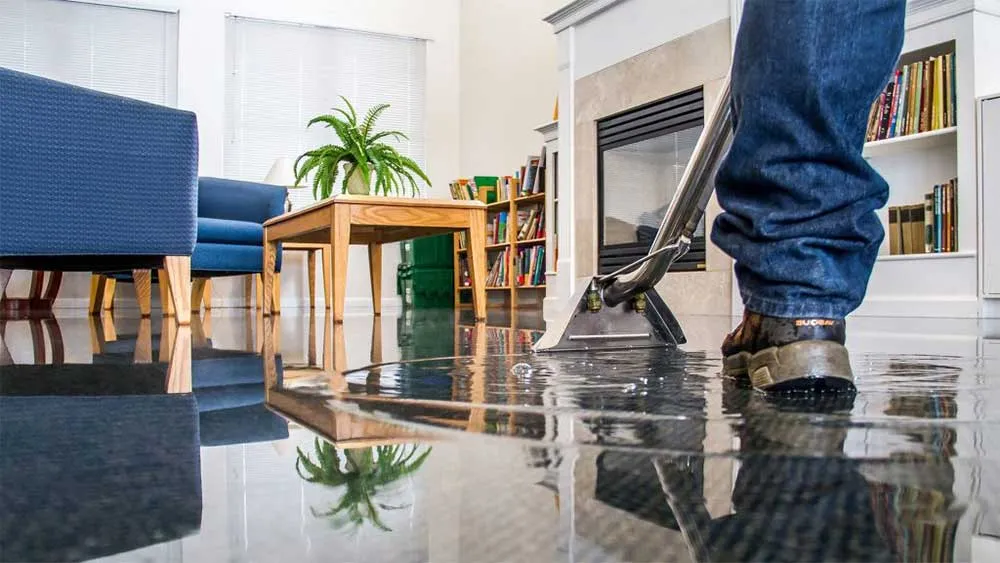
Red Flags — Call Immediately
Sewage Backup
Highly toxic Category 3 water requiring specialized hazardous material handling.
Sagging Ceilings
Indicates trapped water mass and imminent structural collapse.
Electrical Proximity
Water touching or nearing electrical panels or outlets.
Extensive Spread
Water migrating across multiple rooms or levels.
Cost Transparency & Insurance
Costs vary significantly based on damage extent, water category, and location. All professional quotes should be detailed itemized estimates. A fair quote accurately reflects the necessary mitigation scope.


Our Mission
"Empowering Canadian homeowners with the knowledge, tools, and resources to protect their homes from water damage, flooding, and sewer backup — because informed homeowners make safer decisions."
When to Hire a Water Damage Professional — A Homeowner\'s Guide
Call a professional immediately if water involves Category 2 (grey) or Category 3 (black/sewage) contamination, standing water exceeds 2.5 centimetres (1 inch), electrical systems or HVAC ducts are compromised, structural ceilings are sagging, or water has remained standing for over 24 hours.
Costs typically range from $2,500 to $5,000 for minor clean water extraction and drying of a single room, $5,000 to $12,000 for multi-room grey water incidents, and $10,000 to $30,000+ for extensive sewage backups requiring structural demolition and reconstruction. Estimates depend on scope.
Look for current certification from the IICRC (Institute of Inspection, Cleaning and Restoration Certification), specifically the Water Damage Restoration Technician (WRT) and Applied Structural Drying Technician (ASD) designations, as well as RIA (Restoration Industry Association) memberships.
Request a Certificate of Insurance (COI) proving at least $2,000,000 in Commercial General Liability and pollution/environmental liability. Additionally, request their provincial workers' compensation clearance letter (e.g., WSIB in Ontario, WCB in Alberta/BC) to protect against worker injury liability on your property.
If the cause of loss is covered under your policy (such as sudden pipe freeze or sudden fixture rupture), insurance will typically pay certified restoration contractors directly for necessary emergency mitigation and structural drying, minus your policy deductible.
Emergency water extraction and industrial drying typically require 3 to 5 business days. Once certified dry, structural reconstruction (drywall replacement, painting, trim, and flooring installation) generally requires an additional 1 to 4 weeks depending on material availability.
Ask: Are your technicians IICRC-certified? Do you provide 24/7 dispatch? Do you provide itemized Xactimate estimates? Can you provide proof of $2M liability insurance and WCB clearance? Will you bill my insurance company directly? What written warranties do you offer?
Under Canadian law, homeowners hold the legal right to choose any certified restoration contractor they prefer. While insurers often suggest their preferred 'preferred vendor program' partners, you are never legally obligated to use them.
A comprehensive estimate should itemize equipment rental days (dehumidifiers, air movers), labor hours for extraction and demolition, antimicrobials applied, moisture mapping documentation fees, and waste disposal fees using industry-standard pricing schedules.
Reputable contractors provide a 1-year workmanship warranty on rebuild repairs and a certificate of structural drying verifying that materials have been returned to normal equilibrium moisture content, safeguarding against future mould development from that specific loss.
For emergency mitigation and extraction, speed is critical—delaying 24 hours to gather quotes can allow catastrophic mould growth and double total damage. For the subsequent rebuild phase, obtaining multiple competitive quotes is standard and sensible.
The IICRC S500 is the procedural standard and reference guide for professional water damage restoration. It outlines scientifically validated methodologies for psychrometric calculations, containment barriers, antimicrobial usage, and moisture target values recognized by Canadian courts and insurers.
Red flags include contractors demanding 100% upfront cash payment, lack of a physical office address, absence of IICRC credentials, refusal to provide a written contract or scope of work, and aggressive high-pressure door-to-door solicitation after storm events.
Within 24 to 48 hours, benign Category 1 water degrades into Category 2 or 3 bio-contaminant water, active mould colonies germinate, timber structural joists begin warping, and insurance adjusters may reduce claim payouts citing failure to mitigate progressive damage.
Yes. Most certified restoration firms act as liaison with your insurance adjuster, submitting digital moisture logs, psychrometric records, line-item Xactimate estimates, and photographic proof directly to expedite claim processing on your behalf.
Mitigation costs cover the emergency response to stabilize the home (water extraction, selective tear-out of soaked materials, antimicrobial treatments, and drying equipment rental). Rebuild costs encompass reconstructing the home back to pre-loss finish (drywall, trim, painting, flooring).
Restoration labor rates generally incur standard overtime premiums for overnight, weekend, or statutory holiday dispatch, in accordance with provincial labor standards. However, equipment rental rates remain standardized across all operating hours.
Ensure the contract details the company's legal business name and GST/HST registration number, clear scope of work, itemized pricing or Xactimate schedule reference, payment terms, proof of insurance, and an explicit assignment of insurance proceeds clause if applicable.
First, address your concerns in writing with the company's general manager. If unresolved, contact your provincial consumer protection bureau, file a complaint with the Better Business Bureau (BBB), notify your insurance adjuster, and lodge a grievance with the IICRC standards committee.
You can typically remain during clean water drying if bedrooms and bathrooms are unaffected. However, during Category 3 sewage decontamination or extensive drywall tear-out with industrial drying equipment, your insurance policy's Additional Living Expense (ALE) coverage may fund temporary accommodations.
Safety First
Electrical Hazards
Never enter a flooded area until power is turned off at the main breaker. Water and electricity are a deadly combination.
Structural Risks
Watch for sagging ceilings, buckling floors, and cracked foundation walls. Evacuate immediately if you suspect structural instability.
Proper PPE
Always wear rubber boots, waterproof gloves, eye protection, and an N95 respirator when dealing with contaminated water or mould.
When to Evacuate
Leave the premises if the water level is rising rapidly, sewage is involved, or you smell gas. Safety always outweighs property.
The Science of Home Care
Clean Water (Cat 1)
Originates from a sanitary source (e.g., broken pipe). Safe to clean if addressed immediately before bacteria growth occurs.
Grey Water (Cat 2)
Contains significant contamination (e.g., dishwasher overflow). Can cause sickness if ingested or exposed to skin.
Black Water (Cat 3)
Grossly contaminated (e.g., sewage backup, floodwaters). Requires immediate professional hazardous material handling.
DIY vs. Professional Mitigation
Not every water incident requires a professional crew, but knowing the line between a weekend project and a hazardous situation is critical.
Safe DIY Actions
- 1. Shut off the main water valve if the source is a burst pipe.
- 2. Mop up small clean water spills (under 10 sq ft).
- 3. Move dry furniture and valuables away from the affected area.
- 4. Set up household fans and dehumidifiers for minor surface moisture.
- 5. Document damage with photos for insurance purposes.
Stop & Call a Pro If:
- • The water source is contaminated (sewage, floodwater).
- • Water has been sitting for more than 24 hours.
- • Materials like drywall or carpet padding are saturated.
- • You spot visible mould growth or smell a strong musty odor.
- • Ceilings are sagging or structural damage is evident.
First 60-Minute Emergency Protocol
Critical step-by-step actions to take immediately when water enters your home.
Read GuideSpring Snowmelt Flood Preparedness
How Canadian homeowners can protect foundations against rapid freeze-thaw water runoff.
Read GuideNavigating Canadian Insurance Claims
Understanding overland flood endorsements, sewer backup policies, and claim documentation.
Read GuideWhen to Call a Restoration Pro
Clear red-line hazard criteria distinguishing manageable DIY cleanups from dangerous biohazards.
Read GuideSpeed Halts Progressive Loss
Dispatching certified mitigation crews within hours saves tens of thousands in structural rebuilds.
Demand IICRC Certification
Certified Master Water Restorers follow scientific psychrometric protocols recognized by all Canadian insurers.
Request Xactimate Invoicing
Standardized industry software estimates ensure your insurer approves line-item charges without dispute.
Confirm $2M+ Liability Insurance
Never permit contractors onto your premises without verified commercial general liability and WCB/WSIB clearance.
Ask for Written Guarantees
Seek written 1-year workmanship warranties on all structural reconstruction and dry-standard clearance.
Free Downloadable Resources
Keep these checklists and guides handy. Download them to your device or print them out so you're prepared for any situation.
Emergency Water Damage Response Checklist
Immediate 60-minute safety and mitigation triage protocol for Canadian homeowners.
PDF • 145 KBSeasonal Home Maintenance Calendar — Canada
Four-season inspection schedule to safeguard plumbing, roofs, and foundations from moisture.
PDF • 220 KBInsurance Claim Documentation Template
Comprehensive inventory spreadsheet and photo log format tailored for Canadian insurance adjusters.
PDF • 180 KBMould Prevention Timeline & Checklist
Hour-by-hour environmental controls to inhibit fungal spore propagation in damp structures.
PDF • 130 KBEducational Hub
Access our full library of Canadian homeowner resources and step-by-step guides.
Explore All GuidesThe 4-Step Recovery Process
Assess the Situation
Ensure the area is safe. Turn off electricity and identify the water source if possible.
Document & Protect
Take photos for insurance. Move dry valuables to a safe location.
Mitigate & Dry
Extract standing water and begin the drying process using air movers and dehumidifiers.
Restore & Prevent
Repair damaged materials and implement solutions to prevent future water intrusion.
When to Call a Professional
Understanding the limits of DIY mitigation can save you thousands in secondary damage and mould remediation.
You can handle this yourself if:
- The water is clean (e.g., overflowing sink with fresh water).
- The affected area is small (less than a 10x10 room).
- Water has been present for less than 24 hours.
- You have the ability to physically remove the water and dry the area quickly.
- No structural materials like drywall or insulation are soaked.
Call a professional immediately if:
- The water is contaminated (sewage, floodwaters, or grey water).
- The affected area is extensive or spans multiple floors.
- Water has been sitting for more than 24 hours.
- Materials like drywall, insulation, or subflooring are saturated.
- You smell musty odors or see visible mould growth.
- Structural integrity is compromised (sagging ceilings, etc.).
Why Trust Our Information?
We adhere to the highest industry standards for water damage mitigation and mold remediation to provide you with accurate, actionable advice.
Industry Standards
Our guides are based on IICRC (Institute of Inspection, Cleaning and Restoration Certification) S500 and S520 standards.
Government Guidelines
We reference guidelines from CMHC, Environment Canada, and Health Canada for relevant local context.
Editorial Rigor
Every article undergoes a Research → Expert Review → Fact-Check process before publication.
Marketplace Transparency
We connect you to verified professionals but do not perform restoration work ourselves, ensuring unbiased advice.
Serving Homeowners Across Canada
Our network of verified professionals is ready to respond to water emergencies in key regions across the country.
Check Your Postal CodeNeed Immediate Assistance?
Our network includes providers offering 24/7 emergency response across Canada. Get a fair quote.